
1. Continuous Process Measurement
Provides continuous viscosity information directly from the process, helping operators identify changes between laboratory tests and respond more quickly.
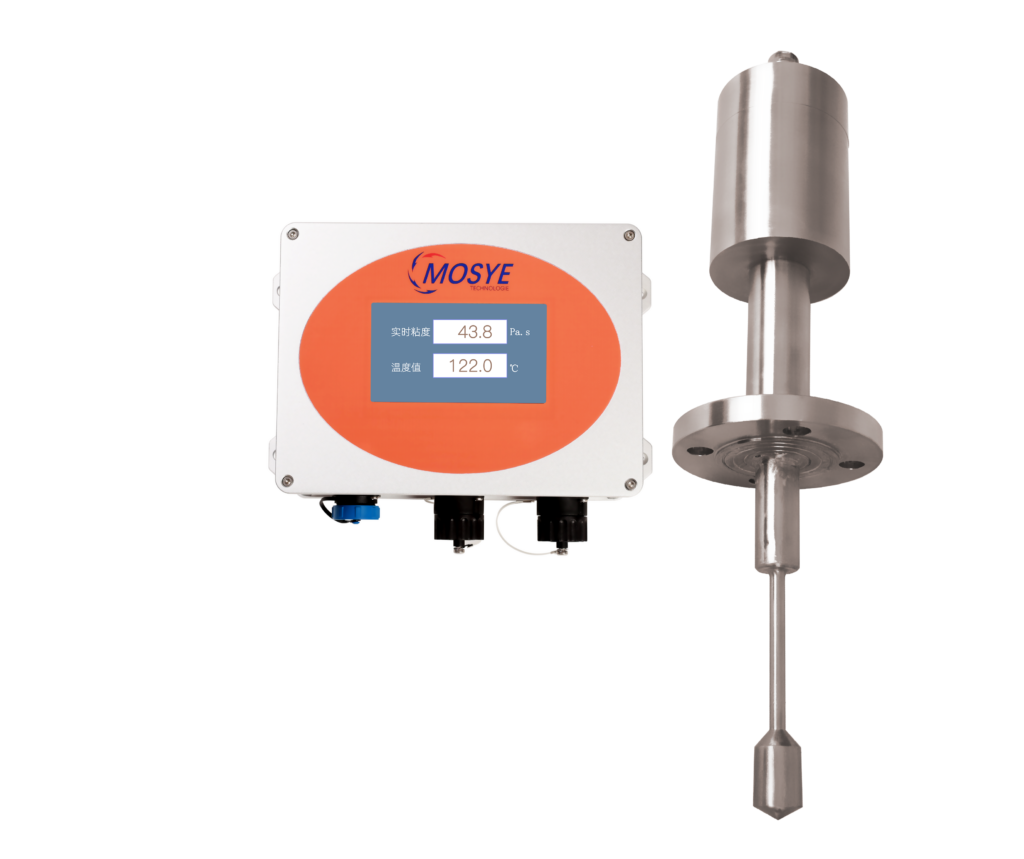
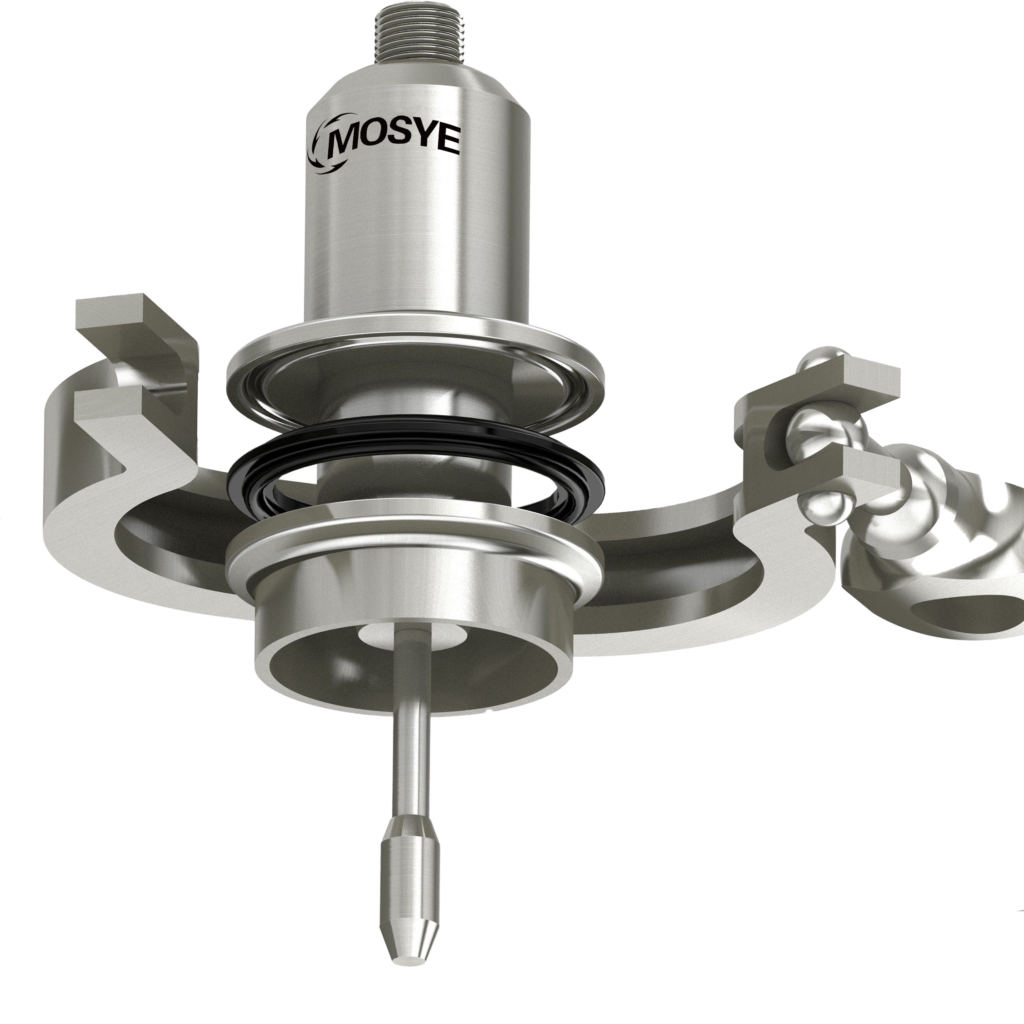
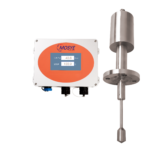
The MS-421 provides continuous viscosity measurement for selected industrial liquids using vibration-based sensing technology.
Designed for direct installation in pipelines, tanks and process vessels, it provides real-time viscosity data for process monitoring, quality control and operating adjustment.
| Detection Target | Typical Applications |
|---|---|
| Viscosity | Process Pipelines · Mixing Tanks · Reactors · Circulation Lines · Process Vessels |
Provides continuous viscosity information directly from the process, helping operators identify changes between laboratory tests and respond more quickly.
Supports viscosity measurement across a wide range of selected industrial liquids, subject to fluid characteristics and application calibration.
The vibration-based sensor has no rotating measurement components, helping reduce mechanical wear. Periodic inspection and cleaning may still be required depending on the fluid’s fouling and buildup tendency.
Provides 4–20 mA output and Modbus RTU communication for connection with PLC, DCS and industrial monitoring systems.
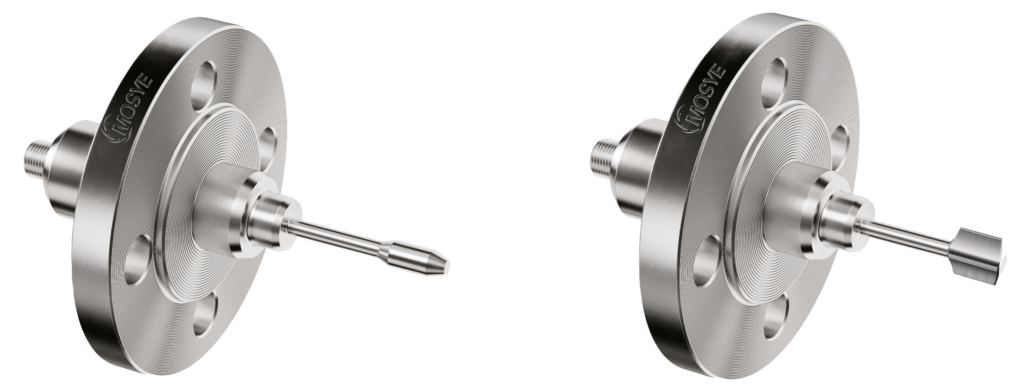
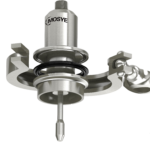
Standard Configuration: Standard vibration sensor for continuous viscosity measurement in suitable pipelines, tanks and process vessels. The standard configuration uses 316 stainless-steel wetted parts and supports a DN50/PN16 flange connection for suitable low-pressure applications.
High-Temperature Configuration: Customized sensor configuration for selected processes operating above the standard temperature range and up to +300°C. Final sensor structure, sealing material, insertion arrangement and process connection depend on the actual operating temperature and process medium.
High-Pressure Configuration: Customized configuration for selected high-pressure applications up to 28 MPa. The allowable process pressure depends on the sensor construction, connection rating, sealing arrangement, process temperature and supplied configuration.
Explosion-Protected Configuration: Available for selected hazardous-area applications. The enclosure, electrical arrangement and explosion-protection marking must be confirmed according to the certification supplied with the ordered configuration.