

1. Multi-Parameter Inspection
Combines AI vision, contaminant inspection, moisture measurement and production data to provide broader incoming-material quality information.
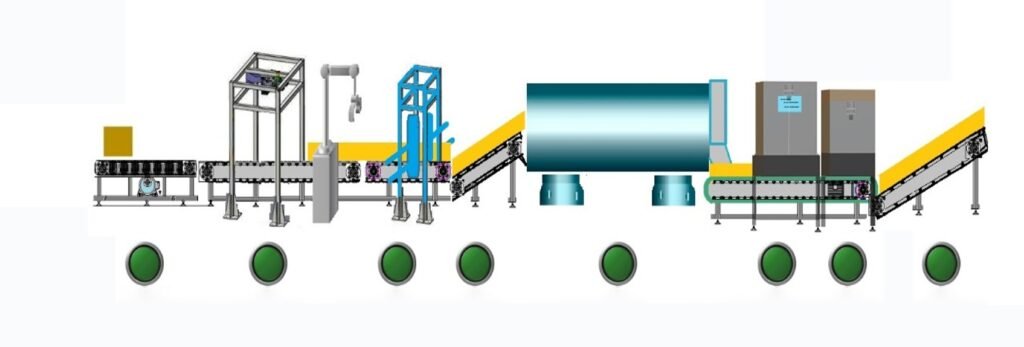
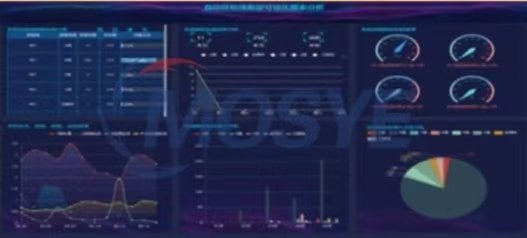
The AI Recovered Paper Inspection System combines material preparation, AI vision inspection, selected contaminant detection, microwave moisture measurement and digital quality evaluation.
Designed for paper mills and recovered-paper receiving facilities, the modular system improves incoming-material visibility, inspection consistency and quality-data traceability.
| Detection Target | Typical Applications |
|---|---|
| Paper Grade · Visible Off-Grade Materials · Selected Contaminants · Moisture | Incoming Material Inspection · Supplier Quality Evaluation · Procurement Inspection · Receiving Quality Control |
Combines AI vision, contaminant inspection, moisture measurement and production data to provide broader incoming-material quality information.
System components can be selected according to recovered-paper grades, inspection targets, receiving workflow and project requirements.
Configured recognition categories and quality rules help apply more consistent inspection criteria across suppliers and incoming batches.
Inspection results can be connected with weighing, receiving, quality-management, ERP or procurement systems.
AI Vision Inspection Configuration: AI vision configuration for identifying selected recovered-paper grades, visible off-grade materials and configured visible contaminants.
AI Inspection with Material Preparation: Combines bale opening, material distribution and AI vision inspection to provide more consistent image-acquisition and inspection conditions.
Integrated Multi-Parameter Inspection: Combines material preparation, AI vision, selected contaminant detection and quality-data management, with optional integration of separate moisture measurement systems. Moisture measurement can be configured with: MS-X590: representative whole-truck moisture evaluation before unloading \MS-590L-1: individual-bale moisture measurement after unloading . Final configuration depends on the receiving workflow, inspection targets and project requirements.